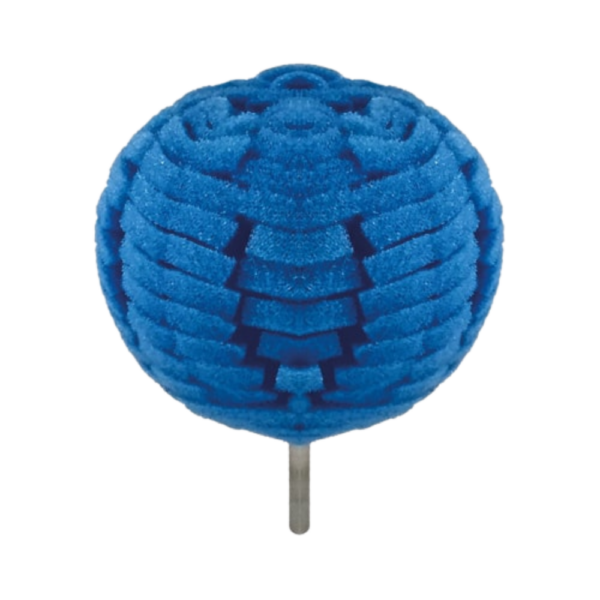





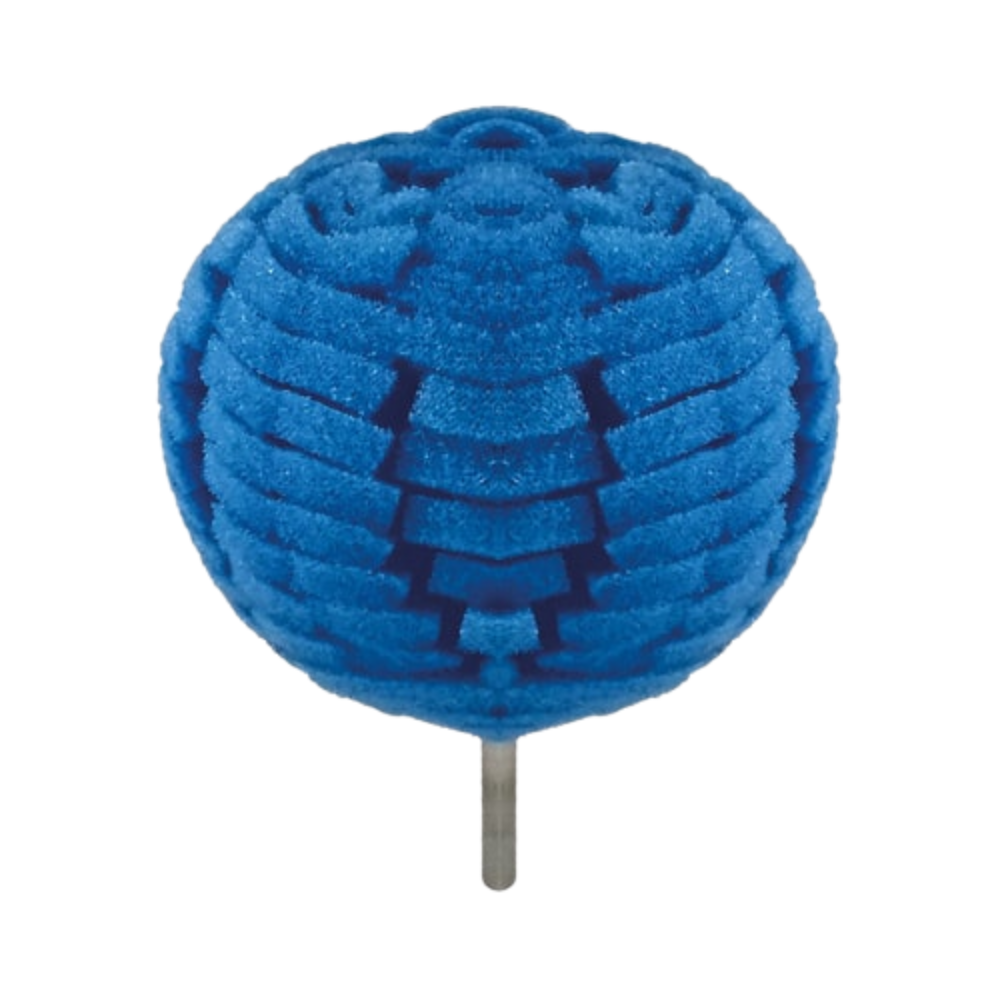

Etalon Foam Polishing Ball
€11.50
The Etalon Foam Polishing Ball is a professional foam polishing accessory designed to reach areas that conventional polishing pads cannot easily access. Used with a standard drill, its flexible ball shape is ideal for polishing curved, recessed and detailed surfaces on yachts and boats. Particularly effective on sensitive metals and painted surfaces, it is an excellent choice for polishing marine fittings, stainless-steel details, painted components and other difficult-to-reach areas.
In stock
Description
Polishing Made Easy in Difficult-to-Reach Areas
Large polishing pads are ideal for open hull and superstructure surfaces, but they cannot easily reach every part of a yacht.
The Etalon Foam Polishing Ball has been specially designed for precisely these difficult areas.
Its three-dimensional foam shape allows it to reach into:
- Curves
- Recesses
- Corners
- Openings
- Narrow spaces
- Detailed components
- Areas around fittings
- Complex shapes
This makes it particularly useful for yacht detailing and maintenance work where conventional flat polishing pads are too large or cannot make proper contact with the surface.
Designed for Use with a Standard Drill
One of the biggest advantages of the Etalon Foam Polishing Ball is its simple operation.
It is designed to be used with an:
Ordinary / standard drill
This allows you to create a practical compact polishing setup without requiring a dedicated small polishing machine.
It is especially useful for:
- Onboard maintenance
- Yacht detailing
- Boat polishing
- Quick touch-ups
- Local polishing
- Workshop repairs
- Refit projects
Simply secure the polishing ball correctly in a compatible drill and select the appropriate polishing product for the surface.
Perfect for Yacht & Boat Accessories
Etalon specifically lists boat accessories among the intended uses of the Foam Polishing Ball.
On a yacht there are numerous fittings and components that are difficult to polish with a conventional flat pad.
Typical applications include:
- Stainless-steel fittings
- Rails and rail fittings
- Handles
- Metal accessories
- Decorative components
- Curved painted parts
- Detailed superstructure sections
- Small marine components
- Hardware
- Difficult-to-access polished surfaces
Its shape makes it particularly practical for detailed polishing jobs.
Excellent for Sensitive Metals
Etalon describes the Foam Polishing Ball as particularly effective on sensitive metal surfaces.
When combined with the correct polish, this makes it suitable for detailed maintenance of compatible marine metals.
Potential applications include:
- Stainless steel
- Chrome
- Brass
- Copper
- Nickel
- Other compatible polished metals
Always select a polishing compound specifically suitable for the metal being treated.
For highly polished or delicate surfaces, begin with the least aggressive polishing combination necessary.
Ideal for Painted Surfaces
The Foam Polishing Ball is also suitable for compatible painted surfaces.
Its foam construction makes it useful for controlled polishing of smaller areas such as:
- Painted yacht components
- Small superstructure sections
- Local repairs
- Curved painted parts
- Recessed painted areas
- Detailed finishing work
The actual polishing action depends on the compound, drill speed, pressure and condition of the coating.
Always test on a small inconspicuous area before polishing a sensitive painted finish.
Excellent for Curved & Shaped Components
A conventional flat polishing pad works best when most of its surface can remain in contact with the workpiece.
This becomes difficult on:
- Rounded fittings
- Curved components
- Tubular parts
- Concave sections
- Irregular shapes
- Small accessories
The ball shape of the Etalon polishing foam can adapt much more easily to these surfaces.
This provides better access and makes detailed polishing more efficient.
Ideal Complement to a Full-Size Polisher
The Etalon Foam Polishing Ball is not intended to replace a full-size polishing machine for large surfaces.
Instead, it complements conventional polishing equipment.
A practical yacht polishing setup may therefore include:
Large Polisher → Main Hull & Superstructure
75mm Polishing System → Smaller Panels & Spot Correction
Etalon Foam Polishing Ball → Recesses, Fittings & Complex Shapes
Using the correct tool for each area improves control and makes the entire detailing process more efficient.
Pair with the Correct Polishing Compound
The Foam Polishing Ball itself provides the polishing action and access, but the level of correction depends heavily on the compound being used.
Depending on the surface and compatible polish, it may be used for:
- Metal polishing
- Paint polishing
- Gloss restoration
- Light oxidation removal
- Fine finishing
- Maintenance polishing
Etalon also recommends its Metal Polish for use with a foam or wool polishing ball, making the Foam Polishing Ball especially useful as part of a metal detailing system.
Excellent for Metal Polish Application
When polishing compatible marine metal surfaces, the Foam Polishing Ball can help distribute polish over irregular shapes that would otherwise require extensive hand polishing.
This is particularly useful around:
- Curved fittings
- Stainless-steel accessories
- Decorative metal parts
- Complex hardware
- Recessed areas
The rotating foam can make polishing these areas faster and more consistent than hand application alone.
Why Choose the Etalon Foam Polishing Ball?
Yacht detailing is not only about large surfaces.
The quality of a professional finish is often determined by the small details around fittings, hardware and difficult-to-access areas.
The Etalon Foam Polishing Ball provides:
- Excellent access to difficult areas
- Flexible foam construction
- Compatibility with a standard drill
- Suitability for sensitive metals
- Suitability for painted surfaces
- Controlled localized polishing
- Easy onboard use
It is a small accessory that can make a significant difference when completing detailed yacht polishing work.
Key Benefits
- Professional Etalon polishing accessory
- Foam polishing ball design
- Designed for difficult-to-reach areas
- Ideal for curved and recessed surfaces
- Designed for use with a standard drill
- Effective on sensitive metals
- Suitable for compatible painted surfaces
- Excellent for yacht accessories
- Ideal for boat detailing
- Useful for marine fittings
- Suitable for local polishing
- Easy access around hardware
- Ideal for detailed polishing work
- Useful with compatible metal polish
- Compact and easy to store onboard
- Excellent complement to conventional polishing pads
Recommended Yacht & Marine Applications
Ideal for:
- Yacht detailing
- Boat detailing
- Marine accessories
- Stainless-steel fittings
- Metal hardware
- Rails and fittings
- Handles
- Decorative metal parts
- Curved components
- Painted accessories
- Local paint polishing
- Difficult-to-reach areas
- Recessed sections
- Tight spaces
- Yacht refit
- Professional marine workshops
How to Use
- Inspect the Foam Polishing Ball before use and make sure it is clean and undamaged.
- Secure the shaft correctly in a compatible standard drill.
- Confirm that the accessory is centred and securely installed.
- Select a polishing compound appropriate for the surface.
- Apply a small quantity of polish to the surface or foam according to the polishing-product instructions.
- Position the polishing ball against the working area.
- Begin at a low drill speed.
- Keep the polishing ball moving continuously.
- Apply light, controlled pressure.
- Allow the foam and polishing compound to perform the work.
- Regularly inspect the surface and monitor temperature.
- Remove polishing residue using a clean microfiber cloth.
- Repeat only where additional polishing is required.
Professional Polishing Tips
For better results:
- Always begin at low speed.
- Avoid excessive pressure.
- Do not hold the rotating ball in one position for too long.
- Prevent excessive heat build-up.
- Use only a small quantity of polishing compound initially.
- Use a compound compatible with the material being polished.
- Clean heavily contaminated foam during use.
- Test delicate surfaces first.
- Be careful around sharp edges.
- Never operate the accessory if the shaft or foam is damaged.
Choosing the Correct Polish
Different surfaces require different polishing products.
Sensitive Metals
Use a compatible metal polish designed for the specific metal.
Painted Surfaces
Use a suitable paint polishing compound based on the level of correction required.
Fine Finishing
Use a less aggressive polish when the aim is simply to enhance gloss rather than remove significant defects.
Always start with the least aggressive combination capable of producing the required result.
Foam Ball vs Wool Polishing Ball
Etalon offers both foam and wool polishing balls.
Etalon Foam Polishing Ball
Best suited for:
- Sensitive metals
- Painted surfaces
- Controlled polishing
- Detailed finishing
- Less aggressive applications
Etalon Wool Polishing Ball
Better suited for:
- Weathered surfaces
- Oxidized surfaces
- More aggressive correction
- Heavier polishing work
Choosing the correct ball helps achieve better results while reducing unnecessary surface correction.
Technical Specifications
Brand: Etalon
Product: Foam Polishing Ball
Etalon Product Code: ET/FBALL
Product Type: Foam Polishing Accessory
Material: Polishing Foam
Shape: Ball
Tool Compatibility: Standard / Ordinary Drill
Primary Use: Polishing Difficult-to-Reach Areas
Suitable Surfaces: Sensitive metals and compatible painted surfaces
Boat Accessories: Yes
Marine / Yacht Application: Yes
Application: Machine polishing with drill
Quantity: 1 Piece
Important Compatibility Note
The Etalon Foam Polishing Ball is intended for use with a standard drill.
It should not be confused with:
- Etalon Wool Polishing Ball
- Etalon Foam Polishing Cone
- Flat Velcro polishing pads
- M14 backing plates
Each accessory is designed for a different type of polishing task.
The Foam Polishing Ball is particularly useful when a flat pad cannot properly reach or follow the shape of the component being polished.
Cleaning & Maintenance
To help extend the life of the polishing ball:
- Remove excess compound after use.
- Do not allow large amounts of dried polish to accumulate in the foam.
- Clean according to the requirements of the polishing compound used.
- Allow the foam to dry completely before storage.
- Do not store while saturated with water or polishing residue.
- Keep away from sharp objects.
- Store in a clean and dry environment.
- Inspect the mounting shaft before each use.
- Replace the polishing ball if the foam becomes damaged, torn or badly deformed.
Safety
When using the Foam Polishing Ball:
- Wear suitable eye protection.
- Follow the drill manufacturer’s safety instructions.
- Secure the polishing ball correctly before use.
- Keep loose clothing and hair away from rotating parts.
- Use suitable PPE for the polishing compound being applied.
- Do not use excessive drill speed.
- Do not operate a damaged polishing accessory.
- Disconnect the drill before fitting, removing or inspecting the polishing ball.
Related products
Shurhold 294 Glass and Mirror Microfiber Towel
Price range: €4.71 through €39.50 In Stock
Select options
This product has multiple variants. The options may be chosen on the product page
-17%
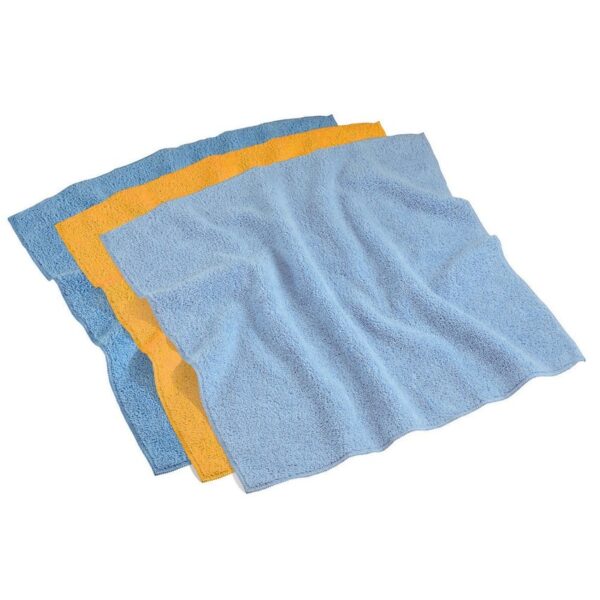
Shurhold 293 Variety Microfiber Towel, (Pack of 3)
Original price was: €35.05.€29.10Current price is: €29.10. In Stock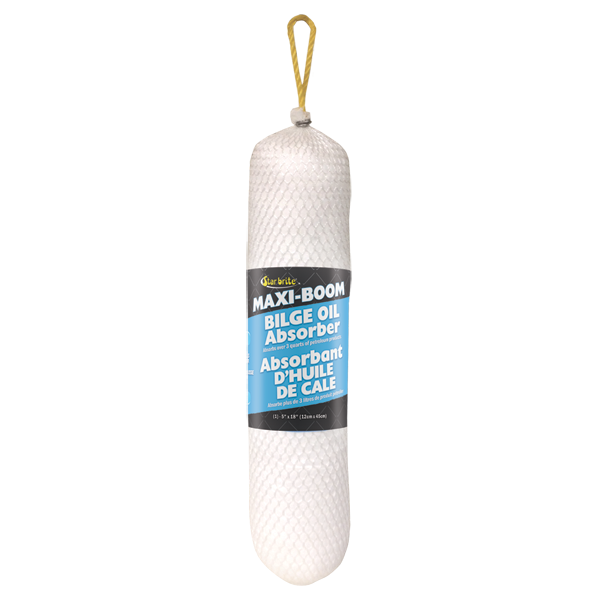
-15%
Starbrite Oil-Absorbent Maxi-Boom
Original price was: €39.11.€33.24Current price is: €33.24. In Stock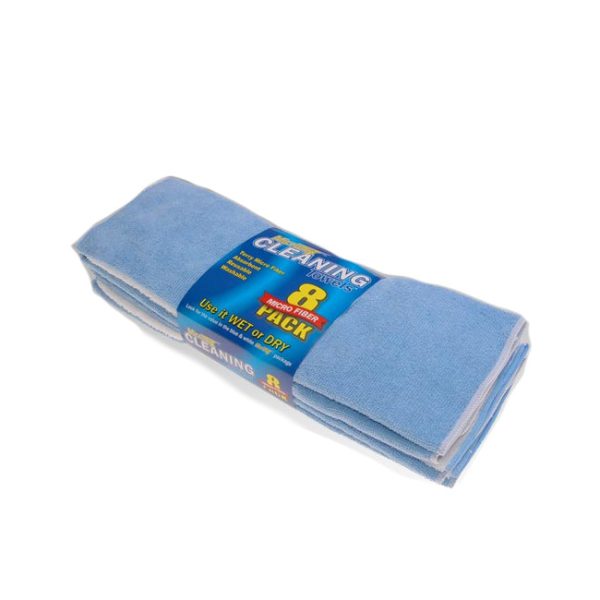
-30%
Swobbit 56308, Terry Micro Fiber Towels (8pcs)
Original price was: €34.10.€23.87Current price is: €23.87. In Stock
-13%
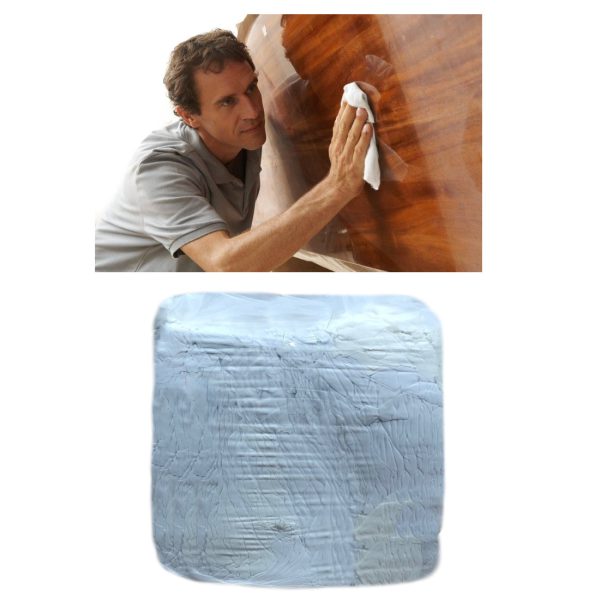
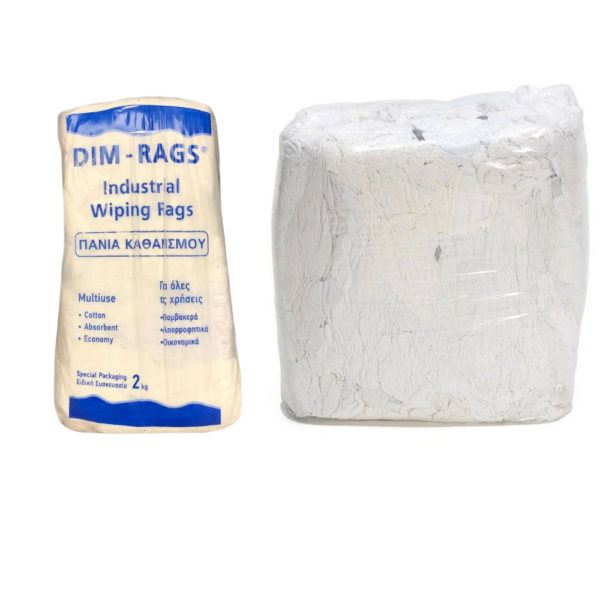
Polishing Mixed White Rags
Price range: €9.90 through €47.10 In Stock
Select options
This product has multiple variants. The options may be chosen on the product page


 Anchor Chains