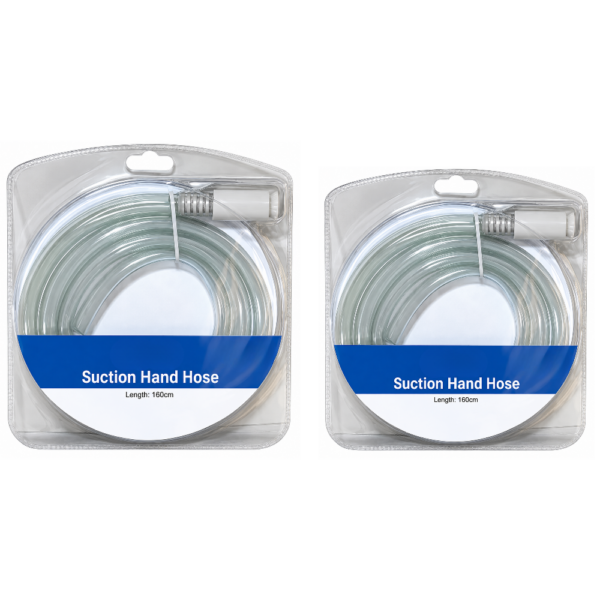









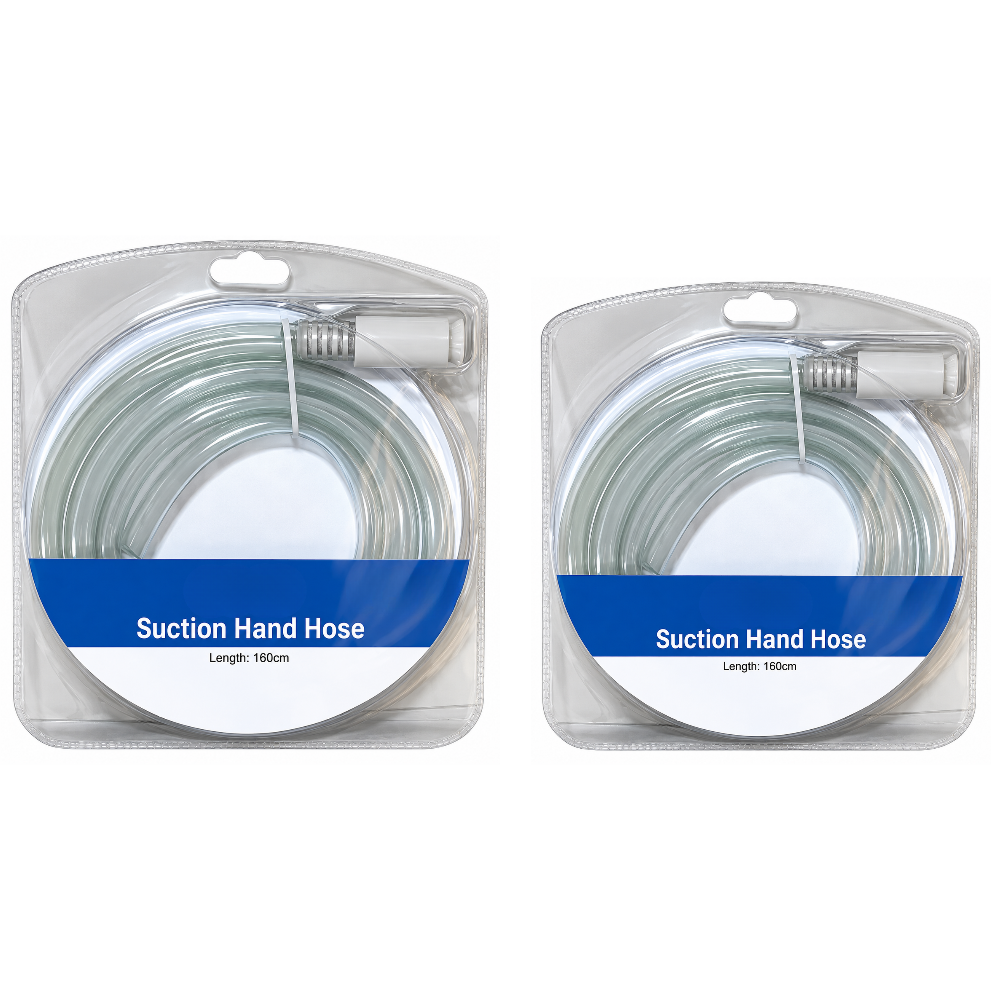
Manual Suction Hose Pump, Transparent, 160cm
Price range: €14.88 through €24.80
The Manual Suction Hose Pump is a practical solution for transferring liquids such as petrol, diesel and water from one container to another.
Made from durable, transparent PVC, it works without electricity or batteries and is easy to use.
Ideal for boat maintenance, fuel transfer and emptying tanks.
Available in two diameters, Ø12.5mm and Ø22.5mm, both with a length of 160cm.
Description
The Manual Suction Hose Pump makes transferring liquids easier without lifting heavy containers or using an electric pump.
It is especially useful for boats, yachts, fuel tanks and routine maintenance.
Simply place one end of the hose into the liquid and move it up and down to start the flow.
Once the liquid rises through the hose, direct the other end into a container positioned at a lower level. The liquid will continue flowing automatically.
Made from strong, flexible PVC, the transparent hose lets you see the liquid moving inside. Its lightweight design makes it easy to handle, use and store on board.
Technical Specifications
- Type: Manual Suction Hose Pump / Siphon Transfer Hose
- Material: Durable PVC
- Colour: Transparent
- Length: 160cm
- Available Diameters: Ø12.5mm and Ø22.5mm
- Design: Flexible, corrugated hose
- Operation: Manual suction with gravity-assisted liquid transfer
- Power Supply: No electricity or batteries required
- Suitable Liquids: Petrol, diesel and water
- Applications: Fuel transfer, tank emptying, boat maintenance and general liquid transfer
Available Sizes
- Ø12.5mm x 160cm – Wall thickness 2mm, flow rate 3.5 GPM. Ideal for smaller quantities and controlled liquid transfer.
- Ø22.5mm x 160cm – Wall thickness 3mm, flow rate 10 GPM. Suitable for transferring larger quantities of liquid more quickly.
How to Use
- Place one end of the hose into the container holding the liquid.
- Hold the other end upwards and move the submerged end up and down until the liquid rises through the hose.
- Place the outlet end into an empty container positioned lower than the source container.
- Allow the liquid to flow automatically.
The receiving container must be lower than the source container. When transferring fuel, work in a well-ventilated area, away from flames, sparks and heat.
Related products
-7%
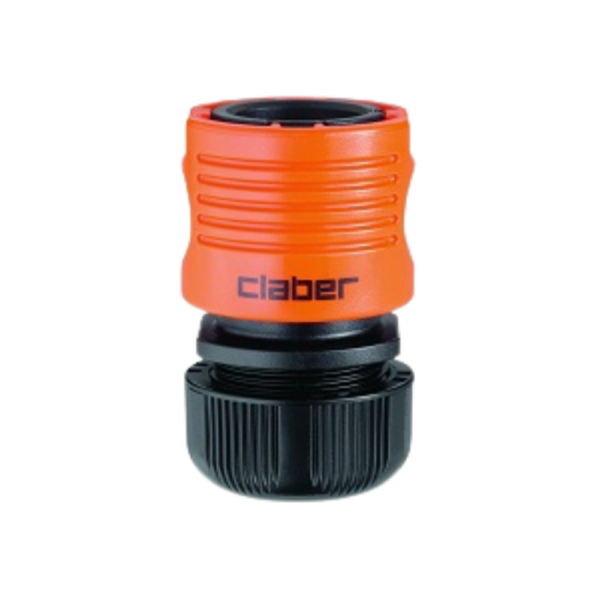
Claber 8606 Automatic Coupling for Hoses, 1/2”
Original price was: €5.21.€4.84Current price is: €4.84. In Stock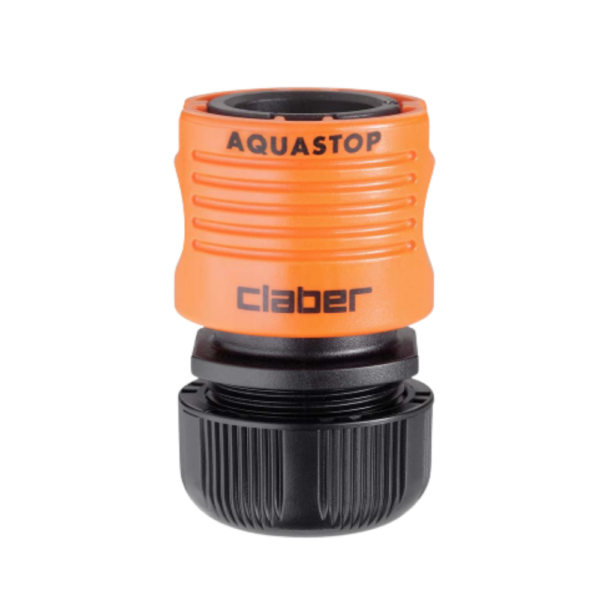
-7%
Claber 8602 Connector with Aquastop, 1/2″
Original price was: €8.18.€7.61Current price is: €7.61. In Stock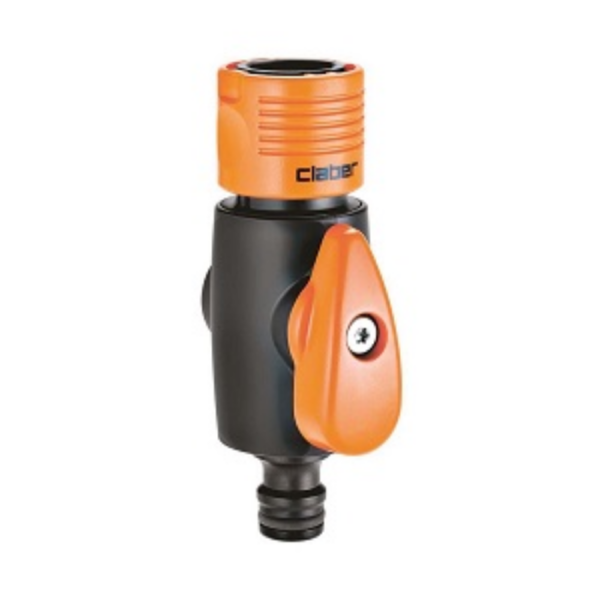
-7%
Claber 8601 Coupling with Shut-off Valve
Original price was: €21.30.€19.81Current price is: €19.81. In Stock
-10%

Camco Coil Hose Nozzle, Hand Lever
Original price was: €34.05.€30.65Current price is: €30.65. In Stock


-10%


 Anchor Chains